
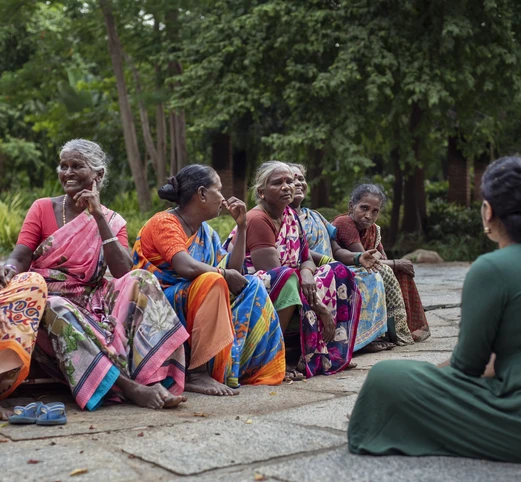
One Young World Ambassadors are leading projects in every country of the world, creating substantial social impact across all 17 Sustainable Development Goals. Every month, our Coordinating Ambassadors select someone from their region who has created significant social impact locally, regionally or even worldwide.
This Month's Projects in Numbers:
- 5,000 tonnes of organic waste recycled
- 400+ hectares of rewilded land
- Supporting 60 sign languages across 50+ countries
Meet the Ambassadors
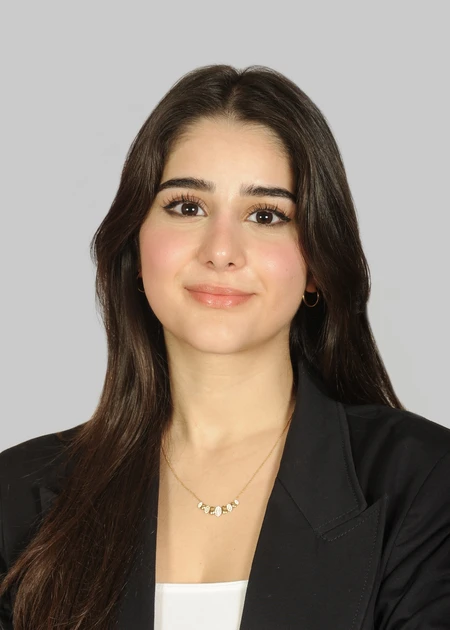
Sara Ghanem - Lebanon
(She/Her) - READ MORE ABOUT DOODA SOLUTIONS
Sara co-founded DOODA Solutions, a social enterprise focused on vermicomposting, or the process of using earthworms to break down organic waste into nutrient-rich natural fertiliser. Through their earthworm farming, DOODA Solutions recycles organic waste into a range of products, including composts and bio-stimulants that support crop resilience. The enterprise also offers a tailored training programme for farmers who build capacity while learning to use the DOODA Solutions product range.
To date, the social enterprise has recycled 5,000 tonnes of organic waste. In addition to co-founding DOODA Solutions, Sara has worked with the Lebanese Ministry of Finance on gender-responsive budgeting and tax reform, and sat on the Arab Planning Institute’s Youth Advisory Committee. Her social impact was recognised on the Forbes 30 Under 30 MENA list in 2024.
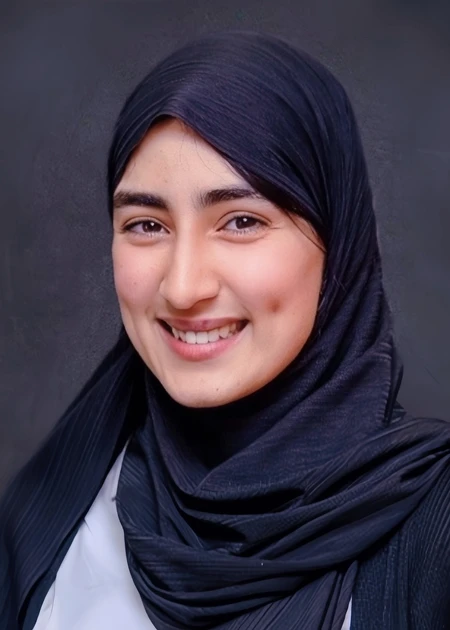
Sokanya Bellam - Morocco
(She/Her) - CONNECT WITH SOKAYNA ON LINKEDIN
Sokayna founded Jodoor, a social enterprise that provides farmers with the necessary tools to create hydroponic farms, or farms that grow plants using water-based mineral nutrient solutions instead of soil. In water-stressed regions, these farms make it possible to continue to produce leafy vegetables and herbs and allow the recycling of 90% of irrigation water. The solution also helps farmers retain their livelihoods. In doing so, Jodoor solves three linked problems: water scarcity, seasonal supply gaps of fresh produce, and lack of rural employment
Jodoor has a 3,500 m² flagship farm in Mnasra, Morocco and is now scaling to increase annual crop production from 100 to 300 tonnes. Beyond improving food supply, each farm creates 15 to 20 full-time jobs, most of them for women, providing reliable year-round employment. Jodoor’s farms also reduce fertiliser use, eliminate pesticides, cut food waste, and lower greenhouse gas emissions. In 2024, the system mitigated an estimated 100 tonnes of CO2 emissions.
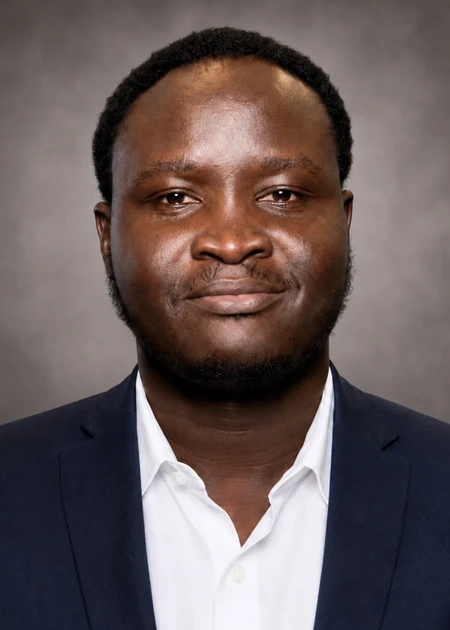
Daouda Faye - Senegal
(He/Him) - CONNECT WITH DAOUDA ON LINKEDIN
Daouda co-founded MBAY'MI CONNECT, a platform that helps farmers bring their produce to markets, connects landowners to investors, and provides supplemental income opportunities by creating agricultural product delivery jobs. Through the platform, smallholder farmers can connect directly with people interested in buying their crops, who often purchase them at a premium price, and deliver them to the purchaser. Similarly, landowners can access credit and lending opportunities.
To date, over 3,500 smallholder farmers have been directly supported, making for a total of 20,000 household members indirectly impacted through income stabilisation. In recognition of these efforts, Daouda has received several distinctions, including first prizes in the Abdoulaye Touré Agricultural Innovation Award and the National Innovation Prize. In the future, his ambition is to contribute to the full transformation and management of agricultural finance, while strengthening the resilience, productivity, and economic inclusion of smallholder farmers and women through innovative and sustainable solutions.
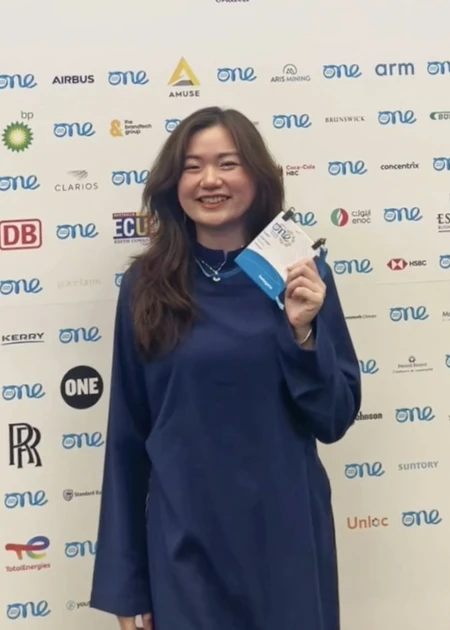
Lam Anh Gia Han - Vietnam
FOLLOW BIẾT NÀY BEAT KIA ON TIKTOK
Han is the founder of Biết Này Beat Kia, a social-first publishing platform and community exploring professional ethics, influence, and responsible digital culture in Vietnam. Over the past decade, Vietnam’s creator economy has grown, but its professional foundations remain fragile. Young creators enter the industry without guidance on ethics, long-term reputation, or sustainable career thinking, leaving the ecosystem vulnerable to short-term incentives: from fake to the pressure to trade credibility for quick visibility.
To address this, Han initiated Ucademy, an educational initiative developed in collaboration with creator networks and industry partners. It provides emerging creators with practical frameworks for building influence responsibly, understanding the economics of digital platforms, and developing long-term professional credibility. Han also founded Biết Này Beat Kia: an independent platform where honest conversations about work, influence, and professional integrity can take place publicly. Through the friendly Q&A short video formats, and community dialogue, young professionals are encouraged to think critically about career narratives, ethical decision-making, and the societal impact of digital influence. Han operates content channels and creator collaborations to demonstrate how ethical influence systems can work in practice.
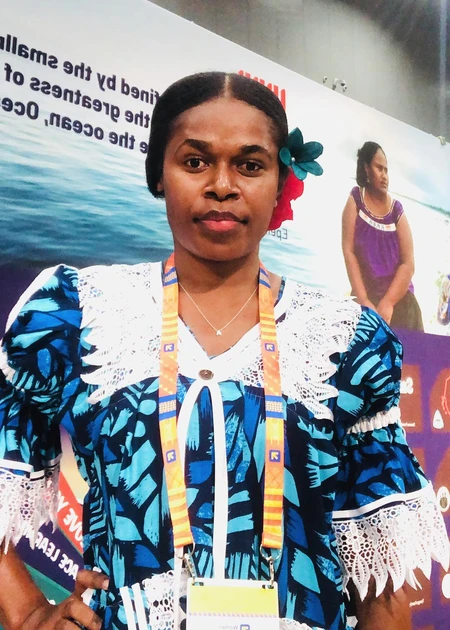
Anika Pascal - Vanuatu
(She/Her)
Anika’s work strengthens young people’s access to accurate, inclusive, and culturally appropriate sexual and reproductive health (SRH) services and information in Vanuatu through the delivery of Family Life Education, Comprehensive Sexuality Education, and broader SRH programmes. As a Youth Officer with the Vanuatu Family Health Association and a UNFPA FLE Coordinator, Anika supports the planning, coordination, and implementation of youth-led training, outreach activities, and advocacy efforts.
The programme equips young people with essential life skills, knowledge, and confidence to make informed decisions about their health and well-being. It creates safe and inclusive spaces where young people can learn, ask questions and share experiences without judgment, while improving access to youth-friendly services. Young people are trained as peer educators to deliver sessions in their own communities, making information relatable and impactful. Inclusion is prioritised, reaching urban and rural areas including those with limited access to education or health services. Anika works with partners, facilitators, and stakeholders to strengthen programme quality, coordination, and sustainability and contributes to youth advocacy efforts, ensuring that young people’s voices are included in decisions that affect their lives.
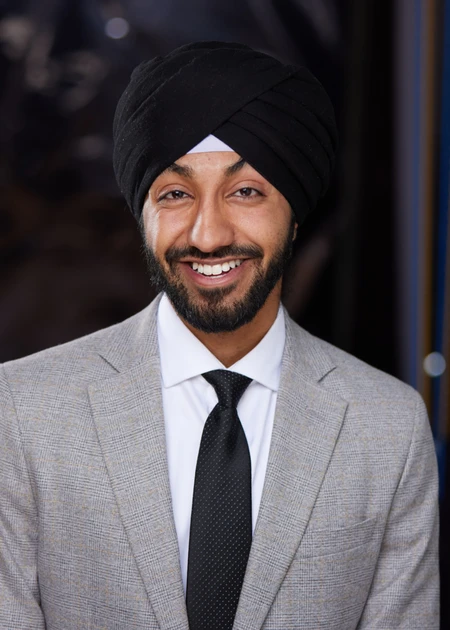
Akash Sidhu - Canada
Generation No Limit is a Canadian non-profit organisation empowering youth through community action and leadership development. Founded to address food insecurity and barriers faced by young people, opportunities are created for youth to become active changemakers in their communities while building practical leadership skills. Flagship initiatives include large-scale food drives, youth volunteer mobilisation campaigns, mentorship programming, and community partnerships. Through programmes such as “Stuff-a-Bus” food drives, Generation No Limit has brought together students, educators, community leaders, and volunteers to collect and distribute food and essential items to families experiencing food insecurity across Canada.
In developing the next generation of socially conscious leaders, Generation No Limit programs provide hands-on experience in project management, public speaking, partnership building, event planning, and civic engagement. Their work also emphasises dignity, inclusion, and accessibility. By creating platforms for youth voices and action from underrepresented or first-generation backgrounds, they aim to break down barriers and inspire long-term community involvement. Their mission is to show young people that leadership has no limits, such as status or resources.
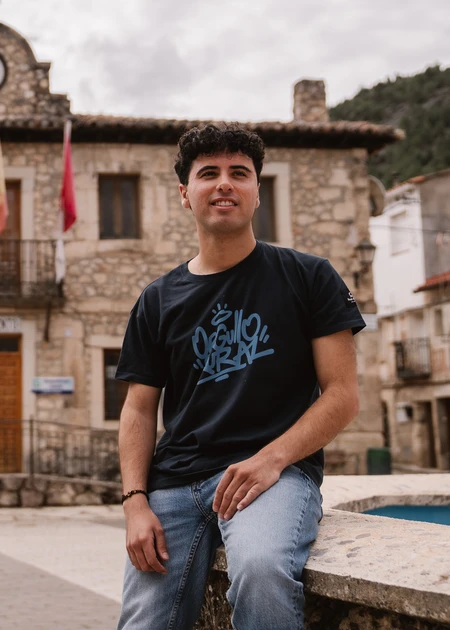
Enrique Collada Sánchez -Spain
(He/Him) - FOLLOW ENRIQUE ON LINKEDIN
Enrique is the Mayor of El Recueno, a village of 80 inhabitants in central Spain, officially designated as suffering severe rural depopulation. At 28 years old, he revitalised the village using three convictions: attracting young families, protecting quality services for elderly residents, and placing sustainable forest management and the bioeconomy at the heart of the village’s long-term economy. Unable to fund this alone, he has leveraged a network of scientific organisations, environmental NGOs, and European research institutions to deliver a forest management plan, sustainable forestry certification, and a wildfire prevention plan at zero municipal cost.
The village now hosts nine European bison across 400+ hectares of rewilded land as part of an international research project with three universities, has 50 hectares under active mycological soil restoration, and has attracted €2 million in planned private regenerative-tourism investment, a 32-cabin landscape hotel with reinvestment commitments to the natural environment. El Recuenco has grown by 31% in four years, with 21 newcomers who had no prior family ties to the village. He has also pioneered a new style of political communication, accumulating over 3 million views on social media and building a global audience for the idea that committing to a small place is worth it.
Kian Bakhtiari - United Kingdom
(He/Him)
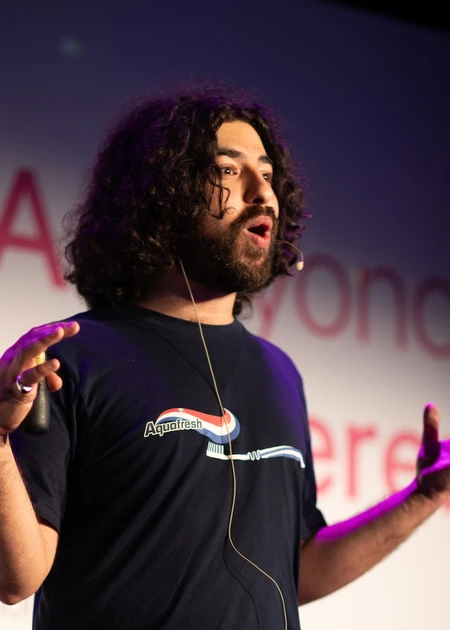
Half the world’s population is under 30, but the average age of a Board of Directors is 60. After spending 2 years experimenting, designing and facilitating a global Youth Advisory Board, Kian, with THE PEOPLE and Pentland Brands (owner of Speedo, Berghaus, Ellesse), is open-sourcing everything they have learned. Having spent years building a participatory model, Kian has now decided to open-source because he believes that every organisation would benefit from having a Youth Advisory Board. A Youth Advisory Board (YAB) brings together a diverse range of young people to inform company strategy, culture and innovation.
The results from Pentland Brands demonstrate the model's potential. The Youth Advisory Board achieved a 93% engagement rate among its global members, while generating 28 recommendations to leadership, 14 of which were prioritised for action, alongside a 98% employee engagement rate. The playbook will be officially launched at a live session on 2 June, with all attendees receiving a free copy.
Mirelle Pereira - Brazil
(She/Her) - FOLLOW SANTÉ ON INSTAGRAM
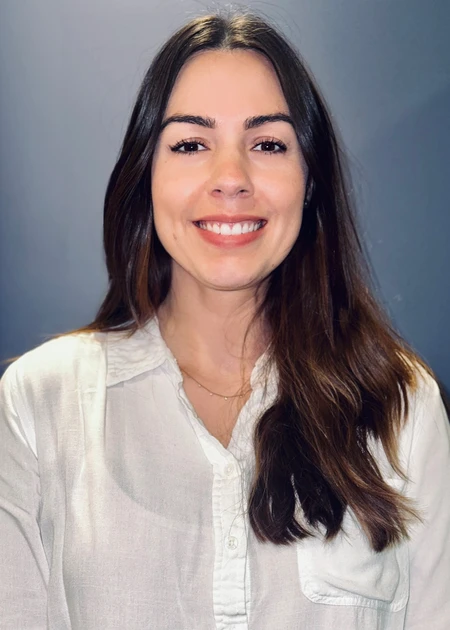
Mirelle is the Founder and CEO of Santé, an epidemic catastrophe risk modelling startup that gives reinsurance companies the quantitative infrastructure to price more accurately, reserve more efficiently, and underwrite epidemic risk. Founded at Columbia University in New York City, Santé’s proprietary SCEME™ framework integrates dimensions of epidemic risk- Sanitation, Climate, Epidemiology, Mobility, and Economics into probabilistic outputs that map directly onto reinsurance workflows: Average Annual Loss, Occurrence Exceedance Probability curves, and parametric trigger structures for ILS and pandemic bond design.
Santé's SCEME™ framework has been validated against real-world epidemic data across hundreds of municipalities, demonstrating strong predictive accuracy in translating environmental, climatic, and mobility signals into quantifiable epidemic risk. Their most significant applied deployment to date is the FIFA World Cup 2026 Risk Intelligence System, a real-time epidemic catastrophe monitoring platform covering all 16 host cities across the United States, Canada, and Mexico.

Emily Anna Bachan -Trinidad & Tobago
(She/Her) - FOLLOW EMILY ON LINKEDIN
Emily’s work with the Young Caribbean Minds Mental Health Resources initiative has focused on promoting accessible, youth-friendly, and culturally relevant mental health education throughout the Caribbean. Emily is the co-author of the Young Caribbean Minds Mental Health Workbooks Volumes 1 and 2. The workbooks addressed important topics such as emotional wellness, self-awareness, coping strategies, stress management, stigma reduction, healthy communication, resilience, peer support, and community care. Her contributions included co-developing written content, contributing creative and advocacy-based ideas, reviewing materials to ensure inclusivity and cultural relevance, and helping shape resources that were relatable, practical, and engaging for Caribbean youth and communities.
Emily has also supported awareness-building and engagement efforts connected to the launch and continuation of Volume 3. This involved promoting the initiative through advocacy and outreach, supporting youth participation, and helping amplify conversations around mental health and psychosocial wellbeing across the region. Overall, Emily’s involvement with Young Caribbean Minds reflects her continued commitment to youth empowerment, mental health advocacy, psychosocial support, and regional development.
Guillermo Herrera-Arcos - Mexico
(He/Him) - FOLLOW GUILLERMO ON LINKEDIN
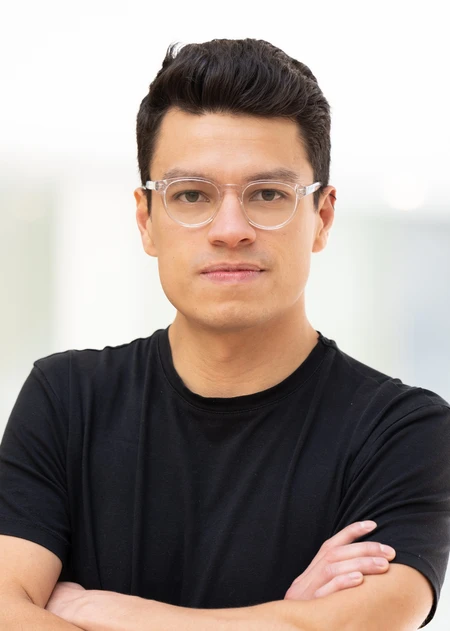
Guillermo is an MIT biomedical scientist developing technologies to restore movement in paralysis and limb loss. When someone loses a limb or becomes paralysed, the problem is not that their muscles stop working, it is that the communication between the brain and the body is interrupted. Most current prosthetics and rehabilitation devices provide blunt electrical stimulation to muscles or nerves. Guillermo's research builds tools that reconnect the nervous system with the body and with external devices at a deeper level.
Guillermo works primarily in optogenetics. By introducing a small genetic modification into motor neurons, the nerve cells that tell muscles to move, those neurons become sensitive to light. A miniaturised LED implanted near the nerve can then activate specific muscles with precision and on demand, allowing paralysed muscles to be controlled by a computer in a way that is more targeted and sustained than conventional electrical approaches. In parallel, Guillermo develops implantable devices that integrate directly with the body's own organs, creating a physical and computational interface between the nervous system and external machines such as prosthetic limbs. The goal is for the body to receive signals from, and send signals back to, a prosthetic or paralysed organ as if they were its own.
Valentina Agudelo Escalante - Colombia
(She/Her) - FOLLOW SEGOVIA MODA ON INSTAGRAM
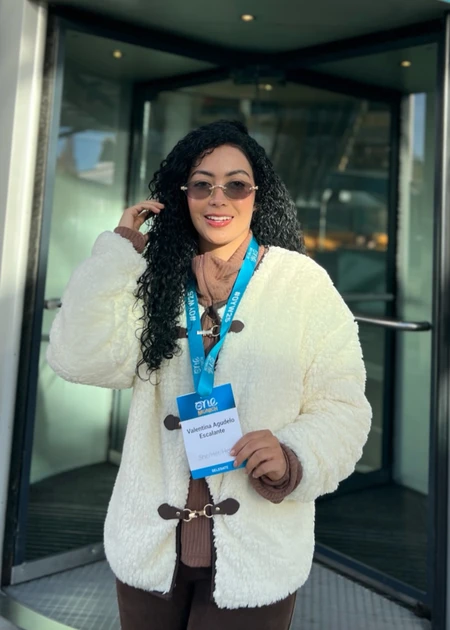
Segovia Moda is an annual initiative launched in 2021, now in its sixth edition, that celebrates local talent, creativity, and entrepreneurship in Segovia. By uniting designers, stylists, models, dancers, brands, and the gastronomy sector, it builds a value chain that boosts visibility, strengthens the local economy, and fosters community growth. To date, it has supported over 85 entrepreneurs, with fair sales exceeding COP $120,000,000, demonstrating that regional economies can diversify beyond dependence on a single industry.
Its complementary programme, Segovia Moda Viste Verde, weaves sustainability into fashion by promoting eco-friendly practices and the circular economy. A pilot project has already recovered 60% of textile waste from a mining company, repurposing around 50 kilograms of material into new products.
Together, both initiatives position Segovia as a hub of innovation and entrepreneurial spirit, proving that fashion can be a powerful driver of social, cultural, and environmental change.
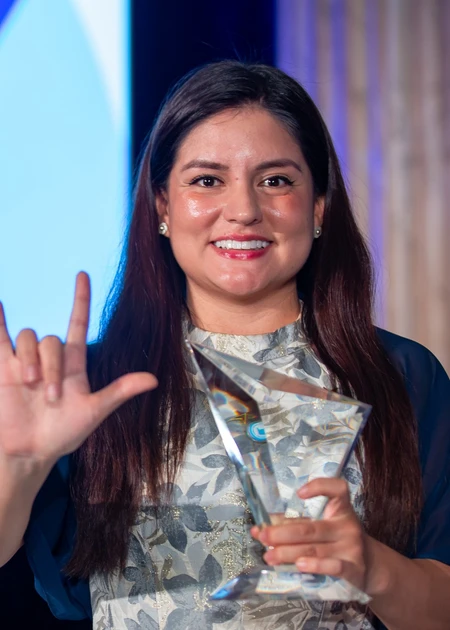
Giannina Ofelia Honorio Heredia - Peru
(She/Her) - CONNECT WITH GIANNINA ON LINKEDIN
INCLUEDU is the first AI-powered EdTech platform that makes sign language learning accessible, inclusive, and scalable through real-time gesture recognition. With advanced computer vision and neural networks in a SaaS model, it delivers a personalised, device-compatible learning experience that helps break down communication barriers for people with hearing disabilities. INCLUEDU addresses key challenges such as interpreter shortages and geographical limitations, while offering digital certifications that enhance employment prospects.
Supporting over 60 sign languages across 50+ countries, INCLUEDU operates through a hybrid B2C and B2B model, serving both individual learners and organisations pursuing workplace inclusion. Active across Latin America, the United States, the Caribbean, and expanding into Europe, its impact is significant: over 10,000 active users, 45% of whom have hearing disabilities, an 85% retention rate, and a 95% improvement in communication skills reported by users. With 200 scholarships awarded to women with hearing disabilities and 65,000 people indirectly impacted, INCLUEDU is reshaping inclusive education globally.